
Telemedicine, which enables you to speak to your doctor via phone or video, is here to stay, and it’s becoming a fixture in veterinary medicine as well. Today, we’re taking a look at what telemedicine can and cannot do for your cat, and introducing you to PangoVet, a teletriage and teleadvice service.
But first, let’s take a look at some definitions.
Telehealth
Telehealth is the overarching term for all situations that use technology to deliver health information, education or care remotely. Subcategories of telehealth are telemedicine, teletriage, teleadvice and telemonitoring.
Telemedicine
True telemedicine is provided by a veterinarian in the state where you and your cat reside, usually a vet at the practice you already take your cat to. A vet-client-patient relationship (VCPR) is required for a vet to diagnose and prescribe medication. This usually means that the vet will have to have seen your cat in person before he or she can offer telemedicine services, but regulations vary from state to state. Some states allow establishing the vet-client-patient relationship remotely, other’s don’t.
Teletriage
Teletriage is the assessment and management of feline patients via electronic consultation with the cat parent. In assessing patient condition electronically, the assessing veterinarian or in some cases veterinary technician determines urgency and the need for immediate referral to a veterinarian, based on the cat parent’s report of history and clinical signs, sometimes supplemented by visuals such as photos or videos. Teletriage will not provide a diagnosis.
Teleadvice
Teleadvice is general advice that is not intended to diagnose or treat an injury or illness. An example would be recommendations that all cats should receive annual wellness exams as part of a comprehensive preventive care plan.
Telemonitoring
Telemonitoring is the remote monitoring of patients who are not at the same location as the veterinarian providing the care. Examples of this could be a the use of a wearable glucose monitor or other monitoring devices that capture vital signs or behaviors.
Given the shortage of veterinarians in this country and around the world, telehealth in veterinary medicine definitely has a place and can potentially contribute to solve the multiple issues facing the veterinary profession today.

About PangoVet
PangoVet is a teletriage and teleadvice service offering expert advice and care tips. Their vets cannot provide prescriptions and they cannot offer telemedicine advice. PangoVet’s core mission is to show how online veterinarians can enhance the health and welfare of pets and complement rather than replace the role of your cat’s regular veterinarian.
PangoVet does not establish a VCPR. “Our goal is to support worried pet parents by providing immediate advice when it’s needed most,” says Dr. Marta Vidal-Abarca, BVSc GPCert (Ophthal) MRCVS. “We specialize in teleadvice and teletriage, helping assess whether your pet’s signs require urgent veterinary care and how quickly pet parents may need to act. Our recommendations focus on guiding pet parents through steps they can take at home, ensuring their pet gets the care they need when they need it most.”
PangoVet can help with:
- Ear and skin issues
- Nutrition
- Eye issues
- Vomiting and diarrhea
- Urinary problems
- Mobility issues
- Flea and Tick
- Training and behavior
- Toxin ingestion
- Preventative wellness
- Minor trauma and injury triage
“Our approach focuses on the well-being of the pet,” says Dr. Vidal-Abarca. “If we believe a condition requires a precise diagnosis or medication, we will always recommend a visit to the registered or local veterinarian. This ensures that furry family members receive the best possible care, allowing pet parents to confidently manage everyday concerns and know when it’s time for more serious medical intervention.”
They also provide follow-up care after an initial consultation, and they ensure that this follow up is always done by the same veterinarian for consistency. “After the initial report right after the call, we send a follow-up email the next day to check in, and if there’s a need for a second call, we will always arrange it with the same vet.”
How does PangoVet work?
To make an appointment, you simply fill out an online form about your cat and your reason for wanting a consultation. Once you pay the consultation fee, they will schedule you for a 20-minute video consultation with one of their veterinarians. After the consultation, you’ll receive a report that summarizes your consultation. This report can be helpful for your personal records or if you need to follow up with a veterinarian in person.
My biggest concern with services like PangoVet has always been whether they will prevent pet parents from getting “real-life” care from a local veterinarian, or whether they will they undermine existing VCPR’s. Dr. Vidal-Abarca assured me that their services are designed to supplement, not replace, the care provided by “real-life” veterinarians. “We are committed to respecting the existing relationships between pet parents and their local veterinarians, and we do not comment on any diagnoses or treatment plans provided by their regular vet.”
For more information and to see answers to most frequently asked questions about the service, please visit the PangoVet website.
Coming next month:
Win a free consultation with a PangoVet veterinarian!
*This post is sponsored by PangoVet, which means that we received payment to feature the service. We only spread the word about products and services we’ve thoroughly researched.
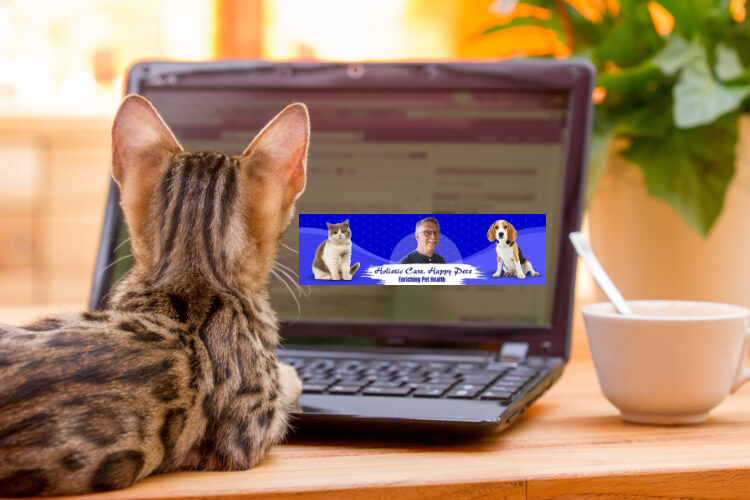
Image Adobe stock photo
This will come in handy. It’s about time someone did this for pets.