This month brought good news for cats with hypertrophic cardiomyopathy, a form of heart disease that until now had no therapeutic treatment. Researchers at North Carolina State University, in collaboration with TriumVet, an animal health company based in Ireland, found that rapamycin can reverse symptoms of HCM in controlled studies.
What is hypertrophic cardiomyopathy
Hypertrophic cardiomyopathy (HCM) is the most commonly diagnosed form of heart disease in cats. It causes the muscular walls of a cat’s heart to thicken, leading to a decrease in the volume of the heart chamber and to abnormal relaxation of the heart muscle. These changes can cause a rapid heartbeat, resulting in increased oxygen usage and possibly oxygen starvation of the heart muscle. This oxygen starvation may worsen heart function and lead to the development of arrhythmias. It may also lead to a backup of blood to the other chambers of the heart and to the lungs, which may contribute to the development of congestive heart failure or the formation of blood clots.
Rapamycin
Research led by veterinary cardiologist Dr. Joshua Stern, associate dean of research and graduate studies at the NC State College of Veterinary Medicine, found that rapamycin (also known as sirolimus) could slow down or reverse the thickening of the heart muscle in cats with HCM before any disease side effects even emerge.
“This is a game-changer for us in terms of the reality of having something on the market that actually treats the underlying pathology of HCM, rather than just treating symptoms when they eventually develop,” says Stern.
The drug is expected to receive expanded conditional approval from the FDA while studies continue, and is anticipated to be available for veterinarians to prescribe in June.
For more information, visit NC State Veterinary Medicine News.

My experience with HCM
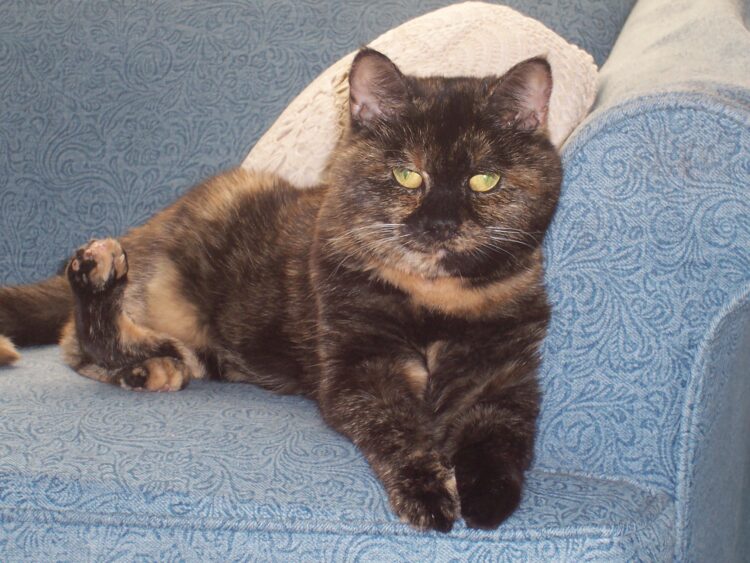
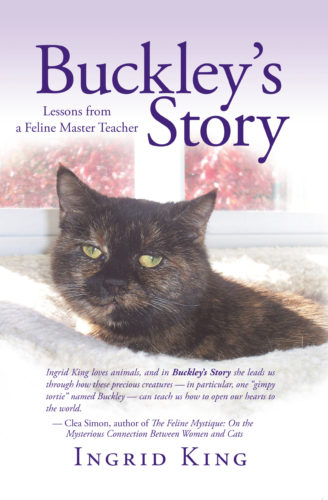
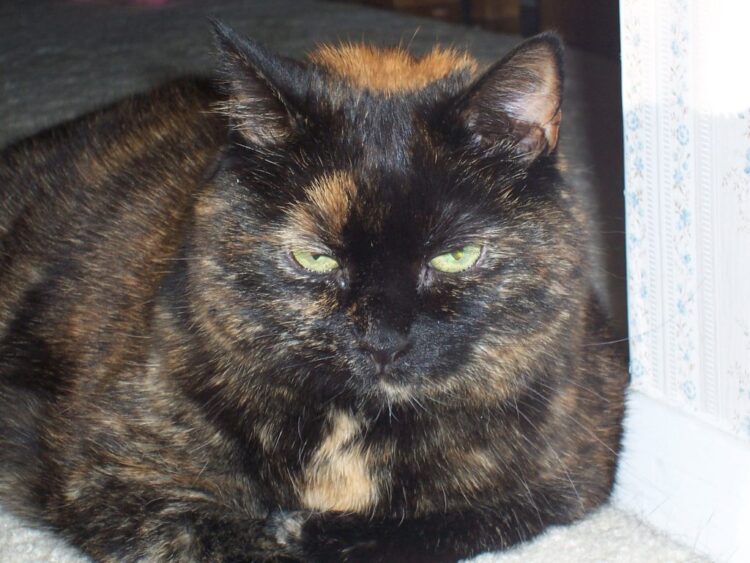
Buckley was diagnosed with HCM in 2008. With supportive care, she survived her diagnosis by seven months. I had to let her go the Friday after Thanksgiving of the same year. I chronicled her journey in my first book, Buckley’s Story: Lessons from a Feline Master Teacher.
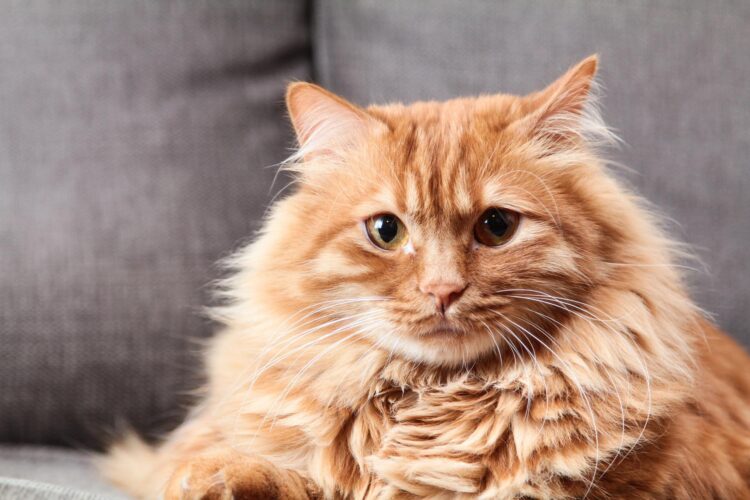
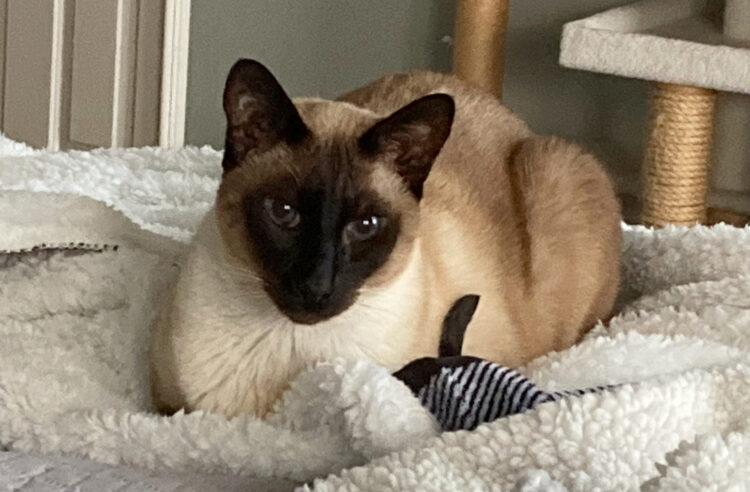
I bought a pure-bred Scottish Fold in 2005. Tigger was diagnosed with HCM and started on the beta blocker Atenolol. twice a day. He was successfully neutered and we settled down to a good life together. Around that time Canada’s premier medical newspaper columnist started promoting L-Lysine for heart health. He had a heart attack at age 72, and has been taking it ever since, ( he just turned 101). So I figured there was nothing to lose, so I started Tigger on L-Lysine twice a day too. I got 500 mg capsules from Puritan.com. I opened a capsule and mixed it in his wet food morning and evening. He was on wet food only, as much as he wanted, and he stayed at 10 lbs his whole life. He lived a good life with no complications. He had a saddle thrombus at the age of 18 1/2, and I helped him move up to Heaven then. He lived longer than any other HCM cat I ever knew about. So I feel that it was the l-lysine that helped him. You have nothing to lose by trying it.
Interesting that the L-Lysine made such a difference for him. Thank you for sharing his story, Michelle!
Thank you. I forgot to mention in my post that I checked Tigger’s breathing rate 2-3 times every week. He was always a steady 22-23 breaths per minute. I believe the L-Lysine helped with that.
Great news. And it’s so wonderful to see a photo of Buckley on your page today. Her “story” was an early read in my life as a cat daddy, so it really touches me when I see her photo again after all these years. Thank you!
As soon as I saw the news about this drug, there was never a question of who the cover photo for this post would be!
So good to hear about the advancement of medicine for our beloved felines.
I’m so glad that there is a treatment for this condition. Thank you for informing us.
Thanks for sharing.
This is wonderful news for our cats.