
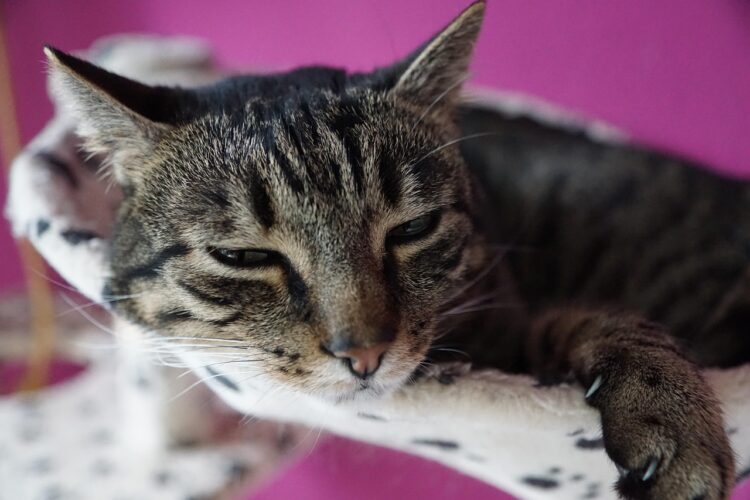
High blood pressure, or hypertension, is a serious and often underdiagnosed condition in cats, particularly in older felines. While it’s more commonly discussed in humans, feline hypertension can lead to severe health issues if left untreated. Understanding the causes, recognizing the symptoms, and seeking timely veterinary care can significantly improve a cat’s quality of life.
What Is High Blood Pressure in Cats?
Feline hypertension occurs when the blood pressure in a cat’s arteries is consistently elevated above the normal range. A healthy cat’s systolic blood pressure typically falls between 120 and 150 mmHg. A reading consistently above 160 mmHg is generally considered hypertensive.

Causes of Hypertension in Cats
High blood pressure in cats is often secondary to other underlying medical conditions. The most common causes include:
- Chronic Kidney Disease (CKD) – Damaged kidneys struggle to regulate blood pressure, making CKD one of the primary causes of secondary hypertension in cats.
- Hyperthyroidism – This condition, common in older cats, causes the thyroid gland to produce excess hormones, raising metabolism and blood pressure.
- Diabetes can contribute to hypertension if not properly managed.
- Primary (Idiopathic) Hypertension – In some cases, no underlying cause is identified, and the hypertension is considered primary.
Signs and Symptoms
Hypertension is often referred to as the “silent killer” because it may not present obvious symptoms until it causes damage to organs. However, signs to watch for include:
- Sudden blindness – high blood pressure can cause retinal detachment.
- Dilated pupils or unequal pupil size.
- Behavioral changes such as disorientation, confusion, or vocalizing.
- Seizures or collapse in severe cases.
Diagnosis
To diagnose hypertension, a veterinarian will use a specialized cuff to measure the cat’s blood pressure, ideally in calm and quiet environment to reduce stress-induced spikes. Multiple readings may be required to confirm a diagnosis.
Further tests may include blood and urine analysis to investigate potential underlying causes, as well as eye exams to assess retinal damage.
Treatment and Management
The goal of treatment is to reduce blood pressure to a safe range and address any underlying conditions. Treatment typically includes:
- Medications – The most commonly prescribed drug for feline hypertension is amlodipine, a calcium channel blocker that effectively lowers blood pressure.
- Monitoring and follow-ups – Regular veterinary visits are crucial to monitor blood pressure and adjust medications as needed.
Prognosis
With early diagnosis and proper management, many cats with hypertension can live comfortable lives. However, if left untreated, high blood pressure can lead to irreversible damage to the eyes, kidneys, heart, and brain.
Prevention and Early Detection
Regular veterinary check-ups, especially for senior cats, are key to catching hypertension early. If your cat is diagnosed with CKD, hyperthyroidism, or another chronic illness, monitoring blood pressure needs to be a routine part of their care.
High blood pressure in cats is a manageable condition when detected early and treated appropriately. If your cat is middle-aged or older, or has a chronic illness, ask your veterinarian about regular blood pressure checks. A proactive approach can preserve your cat’s vision, kidney function, and overall well-being.
Image Depositphotos
I am treating Tasha for her high B/P. She is on amlodipine. We started out with cut up tablets, but then I switched to having it compounded at a pharmacy so she gets a more consistent dose. The day I took her to the vet, she would not eat, or come out of her crate. She felt terrible that day when I took her in and her B/P was over 180. She does have kidney disease, but does not like the kidney diet. I am keeping her as comfortable as I can as she is going to be 15 years old in a couple of weeks.
It’s so challenging when our senior girls start having multiple issues. All my best to you and Tasha!
We rescued a cat once that had gone blind due to untreated high blood pressure. Very sad.
I’m so sorry about your kitty. That is very sad.
Thank you for this information. High blood pressure is something I never thought about in cats.