
A shiny, soft coat is one indicator of a healthy cat. Any changes in the appearance of you cat’s fur can be a sign of underlying health issues. In this article, I explain what a staring coat is, what can cause it, and what to do if your cat’s fur starts to look this way.
What is staring coat?
Fur that stands out from the body in an unkempt, rough, or spiky appearance instead of lying sleek and flat, as a healthy coat should, is called a staring coat. It seems like the fur “stares” outward – hence the name. It’s may look dull and dry, or matted and oily.
This change in appearance may be subtle at first, which is why it’s important to keep an eye out for even minor changes. It means that your cat isn’t grooming properly, which can be due to underlying health issues.
What causes staring coat?
- Illness or pain: Healthy cats groom frequently. In cat who are sick or in pain, normal grooming behavior can decrease significantly. Conditions like arthritis, dental disease, or any kind of internal discomfort may lead to a reduced ability or desire to groom.
- Systemic illness: Diseases such as hyperthyroidism, diabetes, or kidney disease can lead to coat changes. These illnesses affect overall metabolism and hydration, which directly impacts fur texture and skin condition.
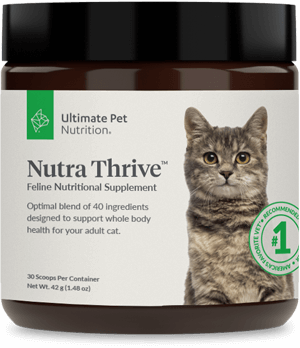
- Nutritional deficiencies: A poor-quality diet or a medical condition interfering with nutrient absorption can lead to a dry, brittle coat. Cats need a balanced diet rich in omega fatty acids, protein, and essential vitamins to maintain skin and fur health.
- Stress or anxiety: Emotional stress—like the introduction of a new pet, a move, or changes in routine—can cause a decline in grooming habits. Over time, this may lead to a staring coat or even excessive grooming in some cats.
- Dehydration: A dehydrated cat may exhibit dry skin and fur. Chronic dehydration, often due to kidney disease or inadequate water intake, can dull the coat and make it lose its sleekness.
- External parasites or skin conditions: Fleas, mites, or fungal infections like ringworm can irritate the skin, making grooming painful or less effective. This can result in patchy or lifted fur.

What to do if you notice staring coat in your cat
Staring coat can be an early warning system, especially if it appears suddenly or is accompanied by other changes in behavior, appetite, or litter box habits.
- Schedule a veterinary check-up. A physical exam and basic blood work can often uncover hidden illnesses.
- Evaluate your cat’s diet. Ensure your cat is getting high-quality, balanced nutrition.
- Keep an eye on grooming behavior. Is your cat grooming less? Are they favoring one side or area? Grooming may be painful.
- Reduce stress. Maintain a stable environment and provide safe, quiet spaces.
- Brush your cat regularly. This can help stimulate skin oils, remove dead fur, and give you a chance to notice skin changes or lumps early.

Our experience with staring coat

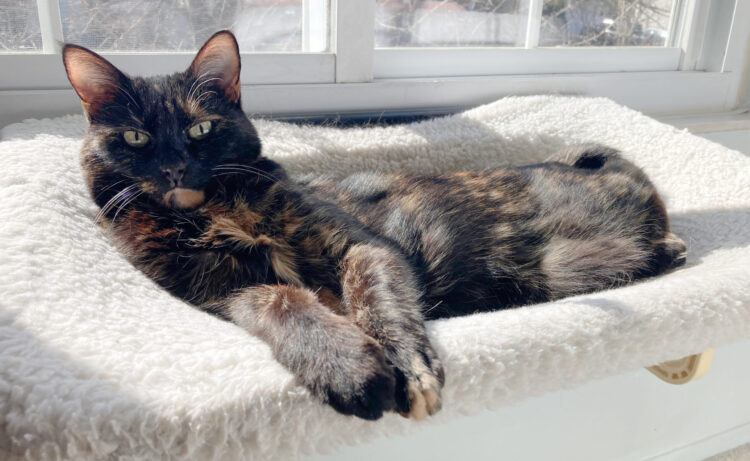
Allegra started to develop staring coat several months ago. You can see it a little bit in the photo at the top of this post, and more pronounced on this close up.
It didn’t come as a surprise since she was diagnosed with hyperthyroidism in 2021, but it was still distressing to me to see her beautiful coat not look quite as shiny anymore. My girl is getting old. Of course, she’s still beautiful, and she will always be beautiful to me!
Thankfully, she loves being brushed. I’ve brushed her every day for her entire life. I’ve increased our daily brushing time, and that really made a difference in her coat quality, although it didn’t restore her coat to its prior healthy look. Thankfully, her kidney values continue to be in the normal range and I’m not seeing any symptoms that would indicate that her kidneys are starting to fail, so that’s a huge relief.

I have problems with my cats all developing staring coats. They are young neuters
The only thing they have in common is diet.. We have used the same food for 15yrs and until the end of last year never had coat problems
I am now going to change food because obviously the one I’m using has changed Uk
Let me know whether a different food will help make a difference, Pamela.
I didn’t know there was a term for that. Thanks for the info! Sadly, I’ve seen it on several of our cats as their diseases have progressed. It is indeed distressing seeing outward signs of their illnesses, and I can empathize.
Thanks, Lisa. I’m sorry you have to deal with it, too.
Very interesting. Cricket Little Paws has also developed a staring coat but it looks much worse than Allegra’s. I took her to the vet for $1500 worth of tests but they didn’t find anything. So for now, Cricket will have spikey fur. Crickosaurus Rex I call her.
Aww, Crickosaurus. Sending hugs – I know it’s distressing to see.
Our oldest cat has IBD and our second oldest has hyperthyrodism. Both have staring coats, which is a new term to me. Our oldest isn’t crazy about being brushed but our second oldest enjoys it. I’ll have to increase her brushing time!
Thank you for this information. I’ll be watching for changes on my girls’ fur.