A new study added to a growing body of scientific evidence that points to a potential contamination risk in commercial cat foods, especially those with fish-based ingredients, due to PFAS (per- and polyfluoroalkyl substances,) more commonly known as “forever chemicals.”
The study
The study measured the concentrations of PFAS in popular wet and dry pet food varieties sold in Japan between 2018 and 2020. 52 foods were cat foods, 48 dog foods. The researchers then used approximate meal sizes and body weights for dogs and cats to calculate how much PFAS a pet would consume per day for each product.
The findings were concerning: several products had moderate to high levels of PFAS, often exceeding the daily intake limits set for humans by the European Food Safety Agency (EFSA).
What are PFAS and why are they a concern?
PFAS are a class of thousands of human-made chemicals widely used for decades in industrial processes and consumer products such as non-stick cookware, waterproof fabrics, and food packaging. The term “forever chemicals” was coined because they don’t easily break down in the environment or in living organisms, leading to persistence in soil, water, wildlife, and biological tissues.
PFAS exposure in humans has been linked to liver damage, immune system disruption, reproductive problems, and increased cancer risk. Although data on health outcomes in pets is still emerging, the persistence and bioaccumulative nature of PFAS raises concerns for our cats’ long-term health.
Fish-based foods show higher PFAS levels
The peer-reviewed Environmental Pollution study analyzed 100 commercial dog and cat food products for 34 individual PFAS chemicals using advanced laboratory techniques. Researchers found:
- PFAS contamination was widespread across many products.
- Fish-based cat foods contained higher concentrations of PFAS.
- Calculated exposure levels for some products exceeded the European Food Safety Authority (EFSA) tolerable intake thresholds for humans, suggesting a potential risk pathway. Specific safety thresholds for animals have not yet been established.
- The scientists also found that ingredients and country of origin influenced contamination trends, with fish-based products being a particularly strong driver of PFAS exposure.
Why fish ingredients are linked to PFAS
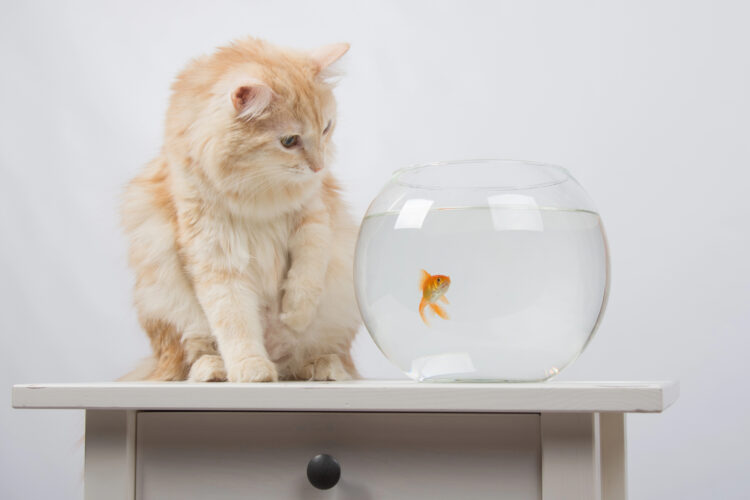
Fish and seafood products can act as bioaccumulation points for PFAS because these chemicals do not degrade easily in aquatic environments, accumulate in waterways where fish live, and concentrate up the food chain, especially in long-lived or predatory species. These characteristics allow PFAS to become incorporated into fish-derived ingredients used in pet foods.
What this means for your cat
I have long cautioned against feeding fish-based foods due to the potential for contamination with heavy metals and industrial toxins such as PCB’s (polychlorinated biphenyls,) dioxins, and pesticides. Although the new study does not conclusively prove that PFAS from pet food directly causes disease in cats, the findings are yet another reason to avoid fish-based ingredients.
While the health impacts of PFAS on cats require more investigation, these findings highlight a critical need for more research, better monitoring and transparent labeling.
Image Depositphotos

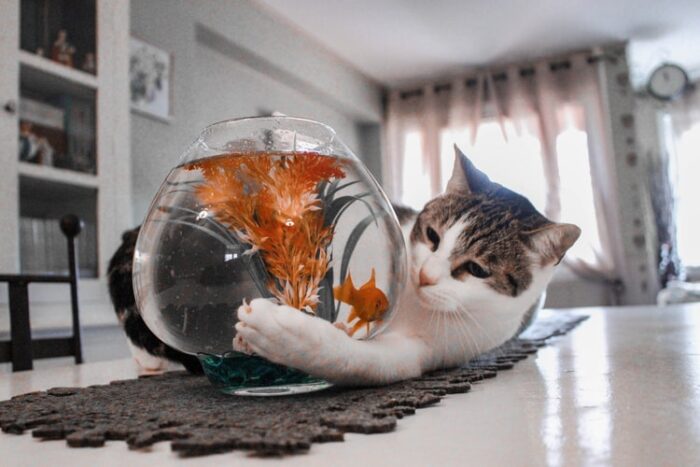
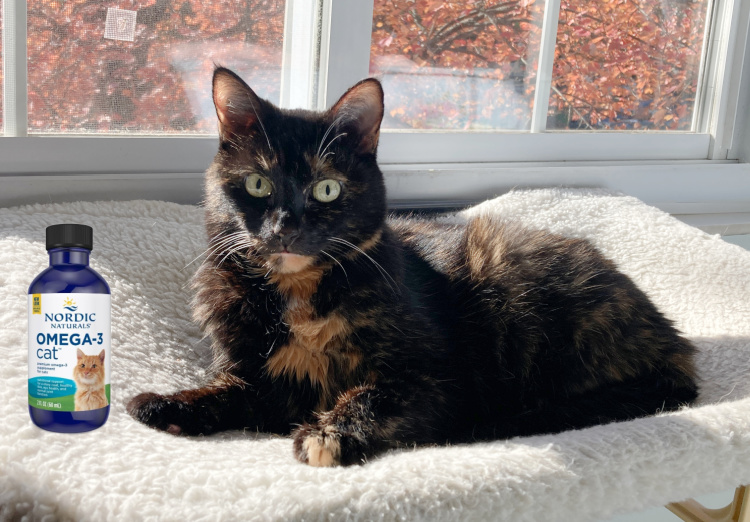

I guess I can thank Miss Kiki for my girls not eating fish flavor foods. She doesn’t like any kind of seafood, so I never buy seafood flavor foods for them.