This is a sponsored post*
Cats explore their world with their noses, paws, and, all too often, their mouths. Which is why one of the most overlooked dangers in a cat-friendly home is also one of the most common: flowers and plants.
As someone who has spent several years working in veterinary clinics, I can tell you that plant toxicity cases are common, and they’re heartbreaking. And with a little education, many of them are preventable. The following list is not comprehensive, but highlights some of the most common and also most toxic plants and flowers. The ASPCA maintains a detailed Toxi and Non-Toxic Plant list.
LIlies are potentially deadly to cats
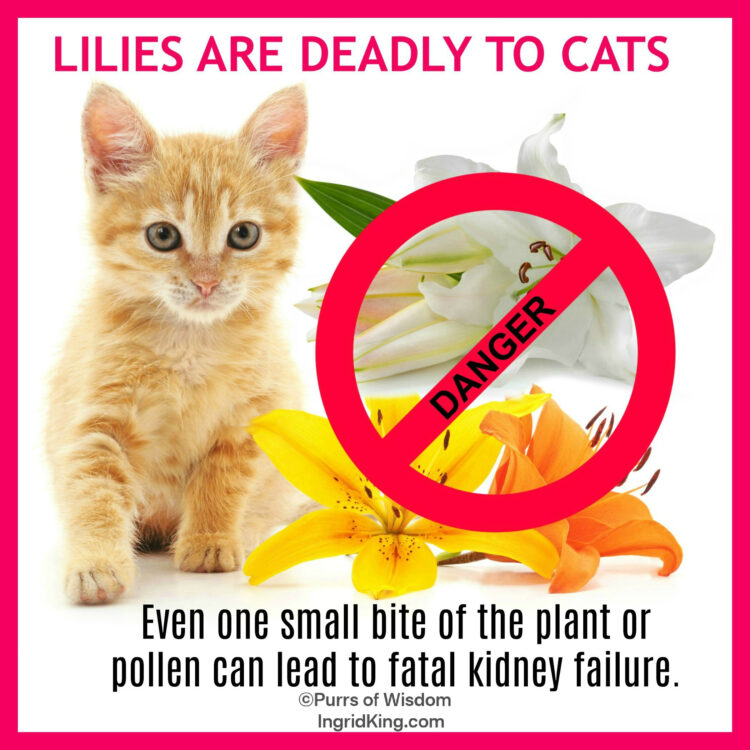
Let’s start with the most important warning: lilies and cats are a potentially fatal combination.
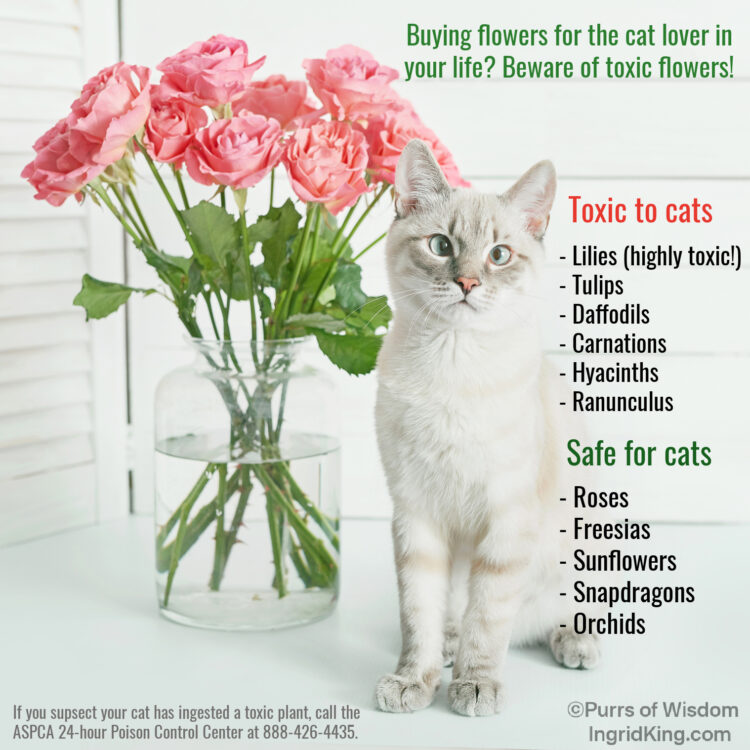
All true lilies, such as Easter lilies, tiger lilies, Asiatic lilies, and daylilies, are highly toxic to cats. Even a tiny exposure such as brushing against pollen and then grooming it off their fur, or chewing on a single leaf can lead to acute kidney failure.
If you live with cats, the safest choice is simple: don’t bring lilies into your home.
Other common toxic plants
Lilies get most of the attention, and for good reason, but they’re far from the only concern. Many plants we think of as harmless or even beneficial can cause anything from mild gastrointestinal upset to serious illness. Here are some of the most common offenders:
Sago palm
This popular ornamental plant is extremely toxic, and ingestion can cause severe liver failure. All parts of the plant are dangerous, but the seeds are especially potent.
Aloe vera
Often kept for its soothing properties for humans, aloe can cause vomiting, diarrhea, and lethargy in cats.
Pothos (devil’s ivy)
A staple in many homes because it’s easy to care for, pothos contains insoluble calcium oxalates, which can cause oral irritation, drooling, and difficulty swallowing.
Philodendron
Another common houseplant, philodendron has similar effects as pothos: painful mouth irritation and gastrointestinal upset.
Dieffenbachia (dumb cane)
This plant can cause intense oral burning, drooling, and swelling that may interfere with breathing in severe cases.
Tulips and daffodils
These spring favorites are especially toxic in their bulbs, but all parts can cause vomiting, diarrhea, and more serious symptoms if ingested.
Safe doesn’t mean harmless
Even plants that aren’t classified as highly toxic can still cause problems. Cats who nibble on greenery may experience vomiting or digestive upset simply because their systems aren’t designed to process plant material.
Why cats are so vulnerable to plant poisoning
Cats aren’t just small dogs. Their metabolism is uniquely sensitive, and they lack certain liver enzymes that help process toxins. That’s one reason why substances that are relatively harmless to other species can be dangerous or even deadly for cats. Add to that their meticulous grooming habits, and you have a perfect storm. A cat doesn’t even have to actively chew a plant to be exposed. Pollen, sap, or plant dust on their coat can be ingested during routine grooming.
Signs of plant toxicity
Symptoms can vary depending on the plant, but some common signs include:
- Vomiting and diarrhea
- Drooling
- Loss of appetite
- Lethargy
- Difficulty breathing
- Changes in urination (especially with lily exposure)
If you notice any of these signs and suspect your cat may have come into contact with a plant, don’t wait. This is a critical emergency. Call your veterinarian or an animal poison control hotline immediately. Time can make the difference between life and death, especially with toxins like lilies, where early intervention can make the difference between recovery and kidney failure.
Creating a cat safe home
If you absolutely have to have plants in your home, consider artificial plants. If you don’t want to forego real plants, do your homework.
Research before you buy. If you’re not sure whether a plant is safe, look it up before bringing it home.
Skip bouquets. Even if florists skip known toxic flowers, they often include mixed greenery, and not all of it is pet-safe.
Safe options like spider plants, Boston ferns, and certain herbs can be a safer way to enjoy greenery.
We bring plants into our homes for beauty, for comfort, for a connection to nature. Our cats interact with them for entirely different reasons: curiosity, instinct, and sometimes boredom. It’s up to us to make sure those two worlds can coexist safely.
*This post is sponsored by Darwin’s Natural Pet Products. Purrs of Wisdom is an affiliate partner of Darwin’s Natural Pet Products. This means that if you decide to purchase through any of our links, we get a small commission. We only spread the word about products and services we’ve either used or would use ourselves.
About Darwin’s Natural Pet Food
Darwin’s is doing everything right, both in terms of what’s in the food and what’s not:
- 100% meat – no animal-by-products or fillers
- Ethically sourced human grade ingredients from farms they trust
- Formulated under the guidance of veterinary nutritionists
- Free range, pasture raised, cage-free meats
- No GMO
- No steroids
- No hormones
- Made fresh: you will receive your meals 4-6 weeks from production
- Ready to serve

Delivered right to your door
Darwin’s is packed in eco-friendly packaging with dry ice to ensure that food is shipped and delivered safely. The packaging can be recycled or composted. They offer a convenient autoship schedule so you’ll never have to worry about running out of food. The timing of delivery is flexible, and Darwin’s friendly customer service team will gladly adjust your schedule as needed.
Feeding Darwin’s is as easy as opening a can
The food come packaged in convenient 8 ounce sealed packs. It takes about 24 hours for one pack to thaw in the refrigerator, so feeding is no harder than feeding canned food. The only difference is that instead of opening a can, you’re defrosting a pack of food.
Special offer
60% off your first box
(up to $100)
Use code PURRSOFWISDOM
You can customize the proteins depending on your cat’s taste preferences. Valid for new customers only, good through December 1.
For more information and to order, please visit DarwinsPet.com.
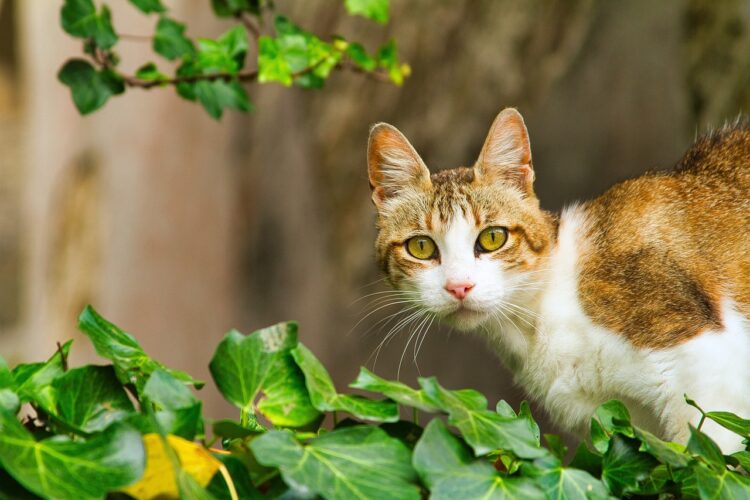
Image by Murilo Osorio from Pixabay
I got rid of all plants after Kiki chewed a Christmas cactus and threw up almost a week from it. My neighbor has it now.
Wow, thank you for sharing, Janine . I didn’t know this (and I’ve given ‘Cat Grass & Herb Garden workshops!)
I’ve had a Christmas Cactus (which blooms ‘anytime’ lol) for years! My previous feline family members never got up to the kitchen windowbox where it lives. Our newest member is a hellion and a chewer. I will take precautions!!
How scary, Janine. I’m not very good with plants, so it’s just as well that all my plants are silk plants!