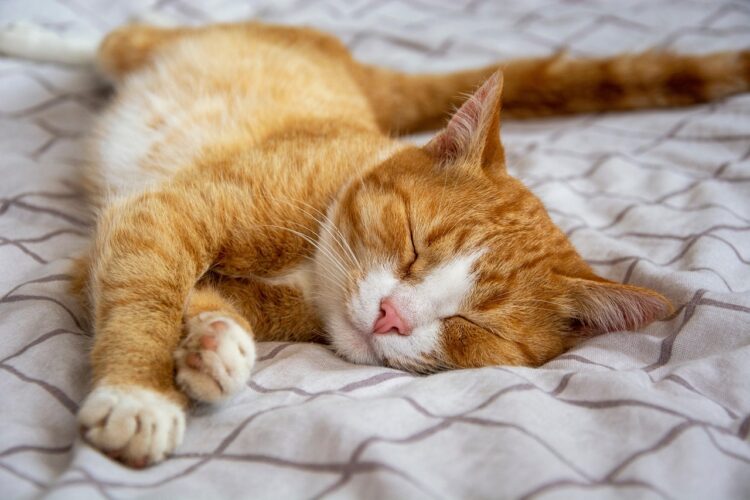
As our cats age, we expect them to sleep more. “She’s just getting old. It’s normal for her to sleep more.” Sometimes that’s true. But sometimes it isn’t.
Most adult cats sleep between 12 and 16 hours a day. There may be some variation depending on age, activity level, and personality, and indoor cats tend to sleep more than outdoor cats. It can be difficult to recognize when increased sleep is simply part of aging and when it’s actually a sign that something else is going on. Significant changes in sleep patterns should never be dismissed as “old age.”

What is normal for a senior cat?
As cats age, their energy levels naturally change. Many senior cats prefer a slower pace. They may spend more time resting, take longer naps, and have shorter bursts of activity throughout the day. What’s important is that they’re still engaging with their environment.
A healthy senior cat may sleep for much of the day, but should still show interest in food, interaction, play, grooming, and especially his or her normal routines. They should wake up easily, move around comfortably, and participate in daily activities that are typical for them.
When increased sleep may be a red flag
Cats are masters at hiding illness or pain. Rather than showing obvious symptoms, they often just become quieter, less interactive, and less active. To many cat parents, that simply looks like they’re sleeping more, when In reality, their cat may be dealing with a medical condition.

Arthritis: a hidden cause of “laziness”
Recognizing pain in cats can be challenging for even the most dedicated cat parent. Even veterinarians sometimes overlook signs of pain cats. Arthritis is one of the most underdiagnosed conditions in older cats. 3 in 10 cats suffer from arthritis, but only 7% of cats with arthritis receive treatment.
Many cats with arthritis don’t limp. Instead, they make subtle lifestyle adjustments. They stop jumping onto favorite perches, hesitate before climbing stairs, groom less effectively, and spend more time resting. To cat parents, these cats may simply look like they’re slowing down and sleeping more. What they’re actually seeing is a cat adapting to chronic pain.
If your cat seems reluctant to move, no longer seeks out elevated spaces, or appears less interested in activities they once enjoyed, arthritis should be on the list of possibilities.
Other medical conditions that can increase sleep
A variety of other health problems can cause an older cat to spend more time resting or appear less energetic. Some common examples include:
- Chronic kidney disease
- Hyperthyroidism
- Diabetes
- Heart disease
- Dental disease
- High blood pressure
- Cancer
In these cases, increased sleeping may not be the only symptom. There may also be changes in appetite, weight, thirst, grooming habits, mobility, or social behavior. Unfortunately, these changes can be subtle and gradual, making them easy to miss.
Sleeping more vs. being lethargic
This distinction is critically important. A cat who sleeps a lot but wakes up readily, greets you at mealtime, seeks attention, and moves around normally is very different from a cat who seems difficult to rouse, lacks interest in food, or appears withdrawn. If your cat seems persistently tired, disengaged, or unwilling to participate in normal activities, it’s time for a veterinary visit.

Ask yourself these questions
If you’re wondering whether your senior cat’s sleeping habits are normal, ask yourself:
- Has my cat’s activity level changed significantly?
- Are they still interested in food?
- Do they still seek interaction with family members?
- Have they stopped jumping or climbing?
- Have I noticed weight loss or muscle loss?
- Are they grooming themselves normally?
- Do they wake up and move around comfortably?
The answers to these questions are more informative than the number of hours your cat spends asleep.
When to see your veterinarian
Any significant change in behavior deserves attention, especially in older cats. If your cat is sleeping substantially more than usual, seems less engaged, has lost weight, shows changes in appetite, or appears less mobile, don’t wait until your next scheduled veterinary exam. Take your cat to your vet as soon as possible. Many conditions that affect senior cats can be managed successfully when detected early.
Older cats do tend to slow down, and many naturally spend more time sleeping than they did in their younger years. But sometimes, they’re trying to tell us they need help.
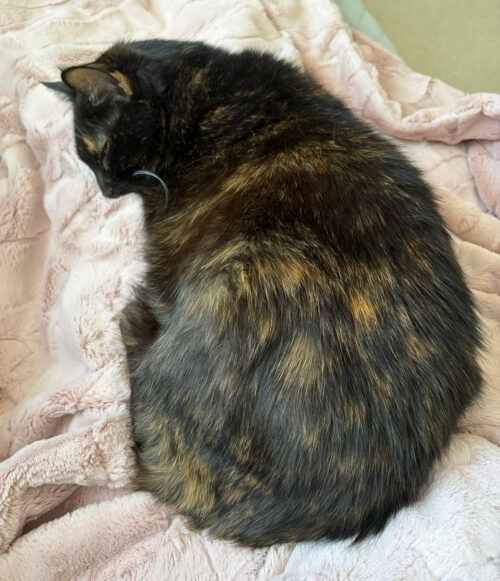
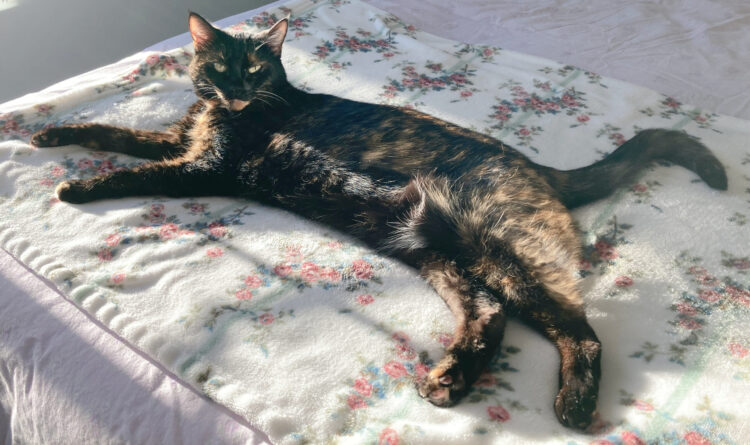
Allegra will be 17 next month. While the amount of time she sleeps has gradually increased over the last couple of years, she’s still very much engaged with me and loves our daily routines. She passed her most recent bi-annual check ups with flying colors, especially considering the multiple chronic health issues she’s dealing with.

I’m glad to hear Allegra is doing well! My senior kitty will turn 16 next month and is also doing well despite some health challenges in the form of CKD and some irritable bowl issues. I’ve started using Animal Biome for her IBD and a product called AminAvast for kidney function. What a difference those products have made for her! She has her energy back and has gained back some weight. Wanted to post here in case it might help others dealing with the same.
My cats are around 10 years old. They definitely have their own individual sleeping and waking routines. So I knew right away when one was not feeling well when she didn’t get out of bed to show up in her usual places at the usual times. I might have been too good at observing. I was very concerned, and we went to the vet. At that first visit, all her tests were normal. I felt better since it ruled out some conditions. However, about a week later, respiratory symptoms developed and back to the vet for the diagnosis and treatment!
I’m glad little Allegra’s blood work came back good. My Jacob just turned 16. His annual blood work came back good. He does have some dental issues but I’m afraid to have him put under anesthesia for a cleaning. You just love them so much and are fearful of losing him. Thank you for all of your informative postings.
It is hard to watch them age. I’m glad Allegra did well on her last vet visit.